Dust Control on Haul Roads and Arenas: What Actually Stops the Dust
Water evaporates in hours. A hygroscopic treatment keeps pulling moisture back into the surface long after the truck has moved on.
September 22, 2026 · 3 min read
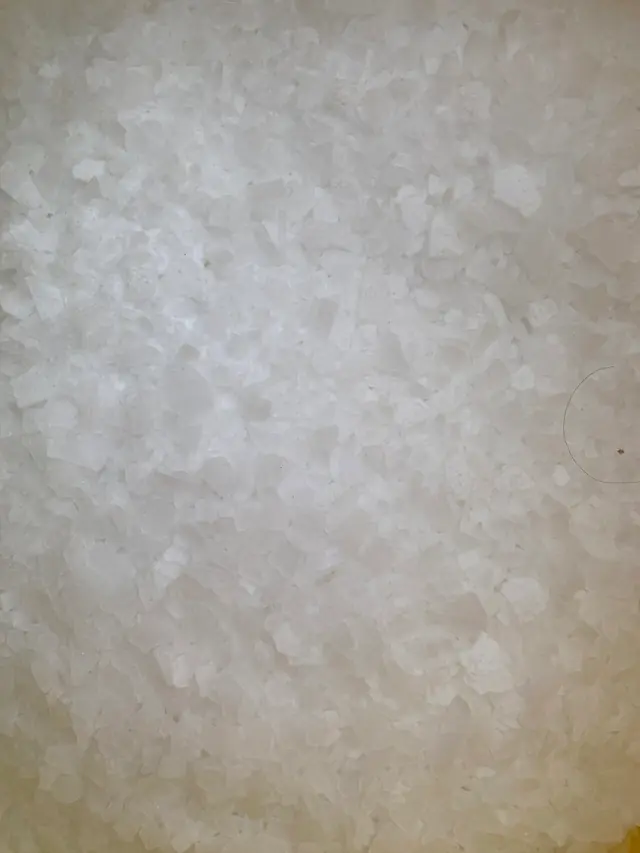
Every unpaved road, mine haul route, construction site, and riding arena has the same dust problem, and most of them fight it the same way: a water truck makes a pass, the surface looks fine for a few hours, and then the dust is back. The pass gets scheduled again. Over a season that adds up to a lot of truck hours for a fix that never actually lasts, and it is worth understanding why before deciding what to replace it with.
The water truck problem
Plain water controls dust by wetting fine particles so they clump together instead of lifting into the air. The problem is that water evaporates, and on a working haul road or an arena in daily use, it evaporates fast, especially in dry heat, wind, or under constant equipment traffic. Once it is gone, the surface is exactly as dusty as it was before the truck arrived. The fix has to be repeated constantly, which is why plain watering is usually the most expensive way to control dust over any real stretch of time, even though the per-pass cost looks cheap.
How a hygroscopic treatment works differently
Magnesium chloride, shipped as a 47% flake or a 40% liquid brine, is hygroscopic. That means it actively draws moisture out of the surrounding air rather than simply holding water that was applied to it once. Instead of the surface drying out the moment the sun comes back up, the treated material keeps recruiting moisture from the atmosphere and holding fine particles together. That is the entire difference between a treatment that lasts weeks and one that lasts hours: the mechanism keeps working after the application crew has left, drawing on ambient humidity rather than depending on a fixed amount of water that was sprayed on once.
Where this gets used
- Unpaved haul roads on mine sites
- Construction site access roads and staging areas
- Equestrian arena footing, the original market this kind of dust control came out of
- General unpaved roads carrying regular traffic
Flake or brine
Flake is a solid product, spread directly onto a prepared surface, and it makes sense where a crew already has spreading equipment set up for granular material. Brine is a ready-mixed liquid, shipped in 275 gallon IBC totes among other formats, and it goes down through a spray rig, which is often the faster method for arenas and shorter road sections. Neither form changes the underlying chemistry; the choice usually comes down to what equipment is already on site and how large an area needs coverage in a single pass. Exact application rates depend on the surface material and local conditions and should be confirmed against the Certificate of Analysis for the specific lot rather than assumed from a different job.
Preparing the surface first
A dust suppressant is only as good as the base it goes on. Loose, ungraded material with a lot of fine dust already sitting on top will not hold a treatment as well as a properly graded and compacted surface. Grade the road or arena first, remove excess loose fines where practical, and treat a surface that is in reasonable shape rather than trying to fix a badly maintained one with product alone. A treatment applied to a poorly prepared surface tends to wear through faster and gets blamed for a problem that started with the base, not the chemistry.
Timing and reapplication
Because the treatment works by continuously pulling moisture from the air, how long it lasts depends heavily on local climate and how much traffic the surface carries. A haul road running heavy equipment all day will wear through a treatment faster than a lightly used arena. There is no single fixed reapplication schedule that fits every site; watch the surface for the same warning signs that prompted the first application and plan the next treatment before dust becomes a visible problem again rather than after.
Knowing it is working
The signs are straightforward: less visible dust behind moving equipment, a surface that feels firmer and more consolidated underfoot, and longer gaps between the point where you would normally have scheduled the next water truck pass. Full documentation, including the Safety Data Sheet and a Certificate of Analysis for the lot, ships with every order, so keep it on file alongside your site's maintenance records for reference the next time the surface needs attention.
Bryn-It, (425) 923-7909
Call (425) 923-7909More articles
Magnesium Chloride or Calcium Chloride: Choosing the Right Deicer for Your Site
Both products melt ice and knock down dust, but they get there by different routes, and the route matters once the temperature drops.
Bags, Super Sacks, Totes, or Flexitanks: Choosing the Right Packaging Format
The right packaging format has less to do with total volume and more to do with what your forklift, hopper, or spreader can actually handle.